Rhinoplasty in South Korea can involve reducing, adding to or repositioning the structures of the nose. The right starting point is your concern: bridge shape, tip definition, nostril width, breathing or a previous operation. These lead to different assessments and surgical plans. Before choosing a clinic, establish which change matters most and what you would accept leaving unchanged. A trip is worth planning only after the proposed operation, recovery arrangements and complete costs make sense together.
Rhinoplasty in Korea should begin with a clear description of what you want to change, what you want to preserve and whether you have breathing symptoms. Each consultation should answer your central questions about treatment and care. Location and attractive photographs alone cannot establish whether a proposed operation fits you.
| Your main concern | What the consultation should resolve | Useful next step |
|---|---|---|
| Bridge height or hump | Which bone or cartilage changes are proposed | Compare front and profile goals together |
| Rounded or drooping tip | Whether shape, position or support is the priority | Read the tip-refinement guide |
| Breathing difficulty | The source of obstruction inside the nose | Request a functional assessment |
| Previous surgery | What was changed and what remains possible | Prepare original operation records |
What can rhinoplasty change?
Rhinoplasty reshapes the nose and may address appearance, breathing or both. The plan depends on the underlying structures, your skin and the relationship between your nose and the rest of your face. An online photograph cannot replace an examination.
Write a short brief before contacting clinics. Separate the front view, side view and nostril view; then identify your highest priority. A request such as “a natural nose” needs clarification: for one person it means preserving bridge height, while another means changing a drooping tip without changing identity.
Compare plans, not procedure names
Two clinics can use the same term while proposing different operations. Ask each surgeon to explain the changes in ordinary language and mark the areas involved. Request a written summary you can review after the consultation, particularly if an interpreter is present.
- Which parts of my nose would change, and which would stay the same?
- What improvement is realistic, and what limitation is unlikely to change?
- Would the plan involve a graft, implant, donor site or additional procedure?
- How will my existing breathing and any previous treatment affect planning?
Use cases as a conversation tool
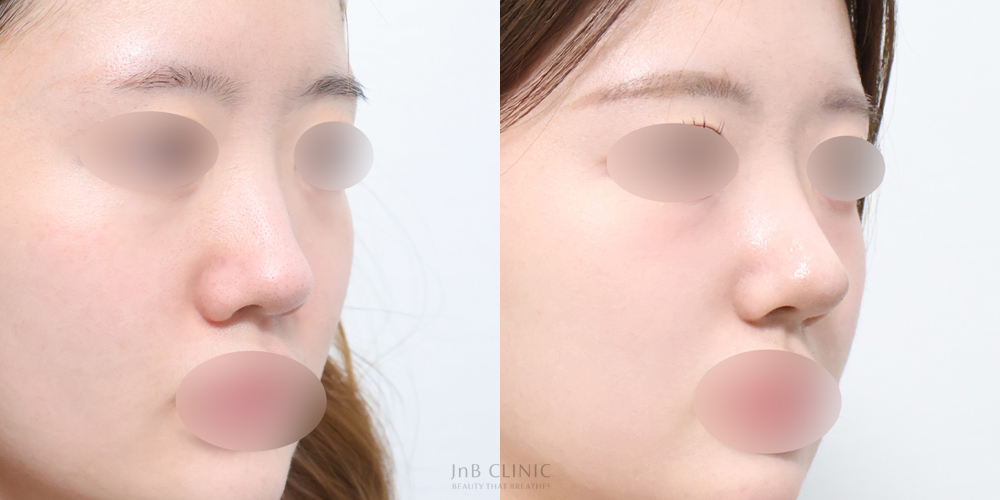
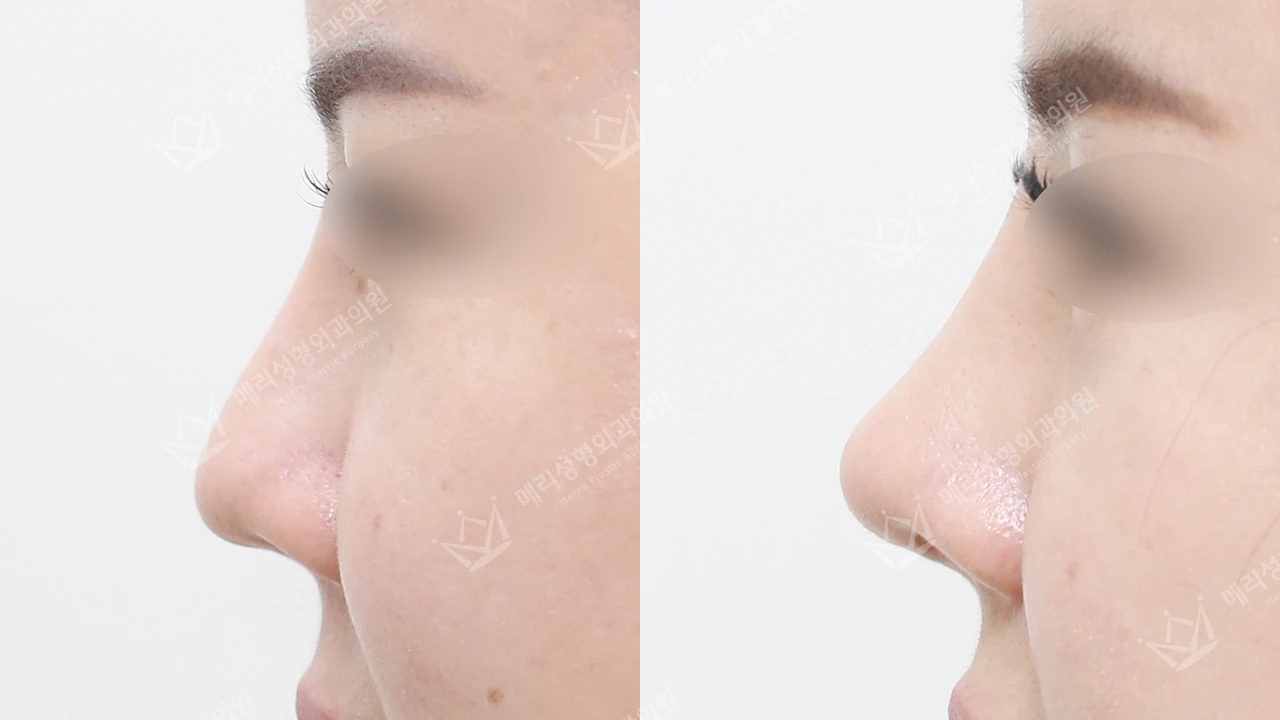
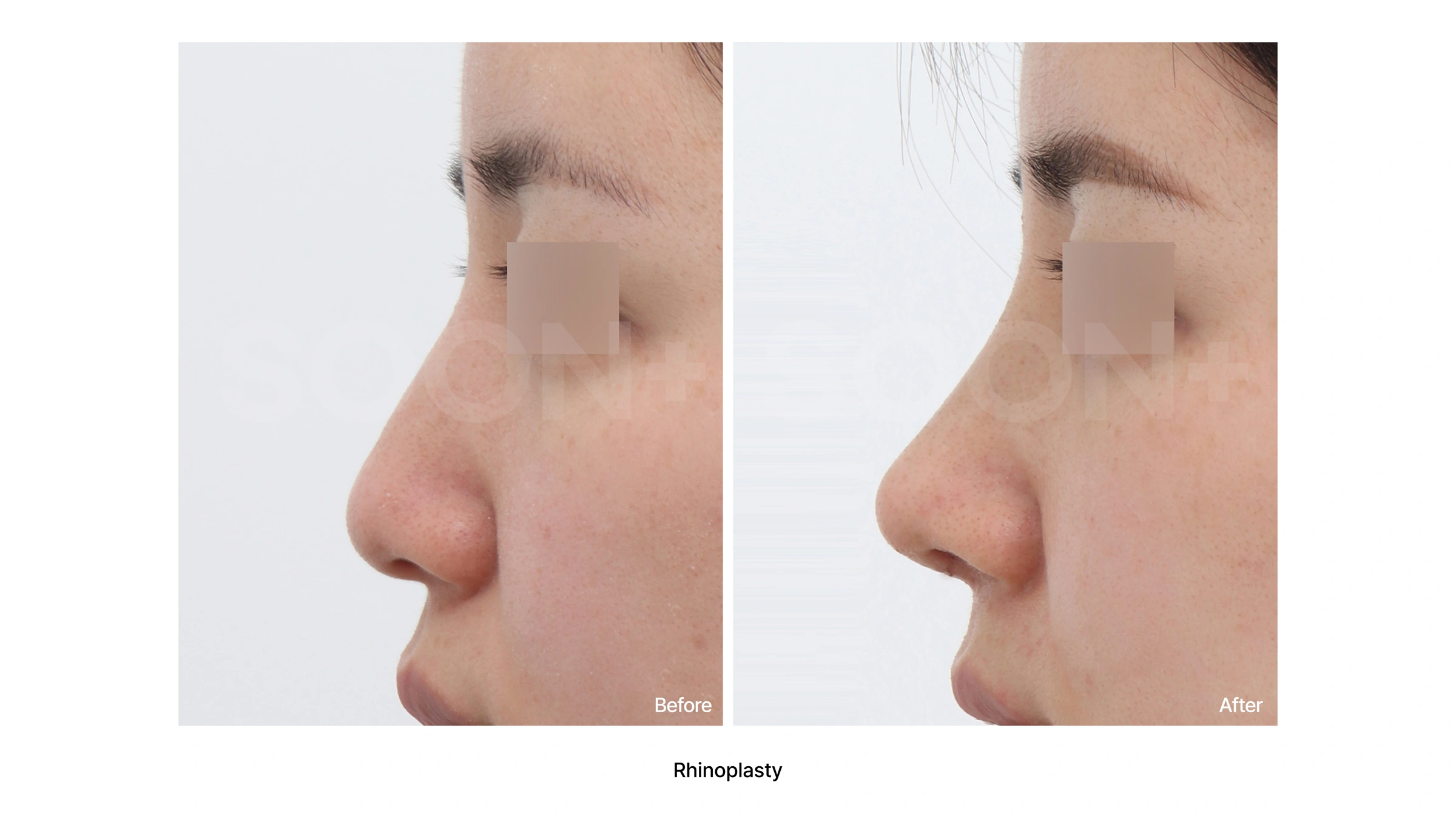
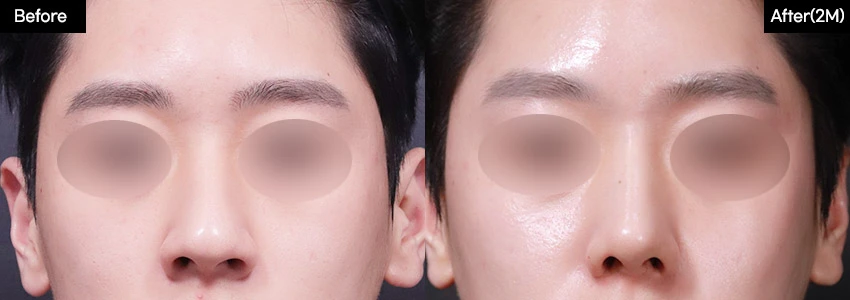
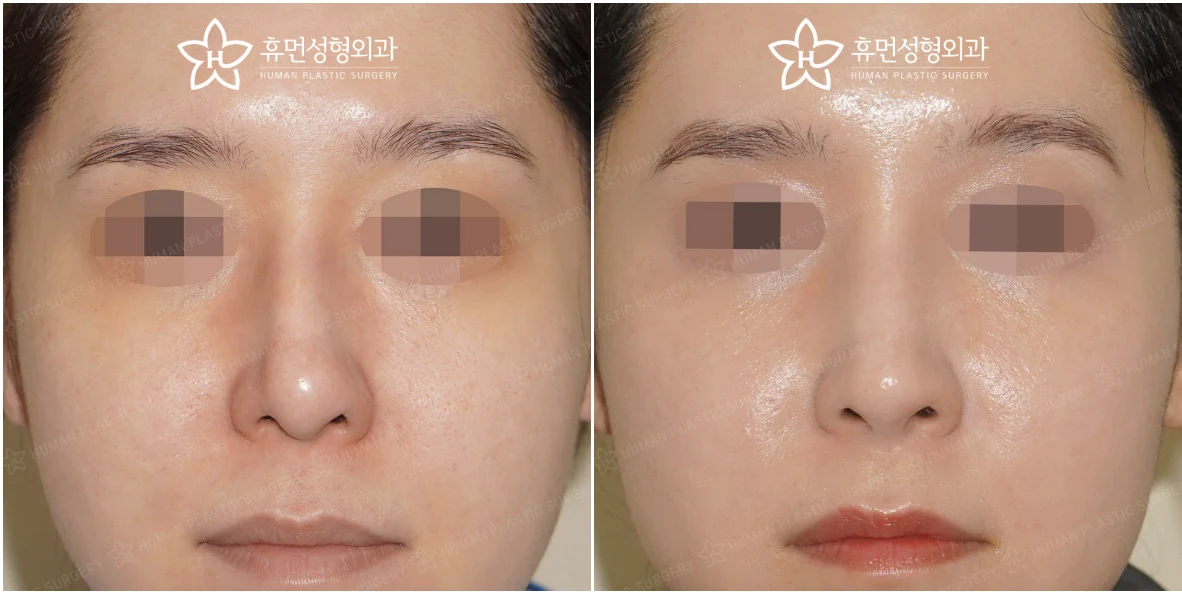
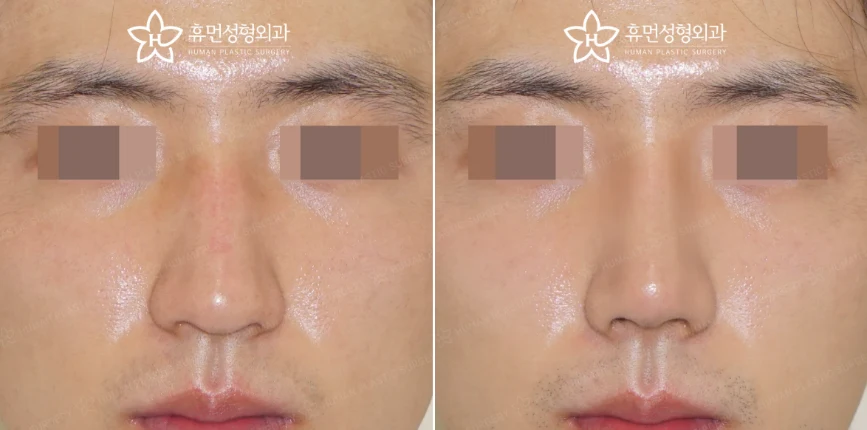
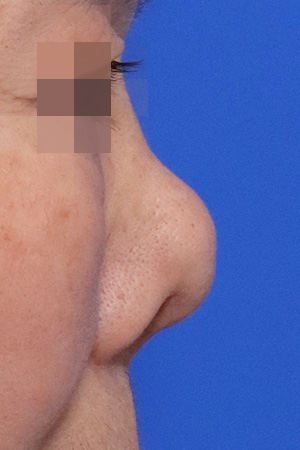
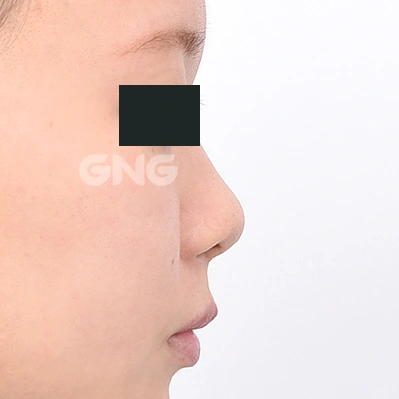
Look for cases with a comparable starting concern and clearly stated follow-up dates. A profile photograph can show bridge shape but cannot explain frontal symmetry or airflow. Ask to see several views and later follow-up when available.
A useful case record identifies the treatment, treating clinic, stated concern and timing of the result. Missing information should remain missing; it should not be filled with a guessed technique or an assumed diagnosis. Results are individual and a gallery is not a prediction.
Plan what happens after Korea
Before paying a deposit, request the local review schedule, the minimum stay your surgeon recommends and a named contact for problems. Confirm how you will receive your operation summary and what happens if you need examination after returning home. Build flexibility into accommodation and travel rather than treating the advertised package length as medical clearance.
Decisions to discuss with your surgeon
Choose the scope before the package
Write one essential change, one optional change and one feature to preserve. Use these three points to assess every proposal. This helps distinguish a focused operation from additional procedures that may be attractive but do not solve your original concern.
Understand open and closed approaches
An open approach includes an incision across the tissue between the nostrils; a closed approach uses incisions inside the nose. These describe access to the structures, not a promised result. Ask how the approach supports the actual work proposed.
Leave space for a second decision
Separate your consultation date from irreversible travel commitments where possible. If the in-person plan differs from the online proposal, review the changed scope, materials and total before proceeding. You can decide to postpone or decline.
What to settle at your consultation
- Bring medication, supplement, allergy and previous procedure details.
- Keep your goal photographs alongside ordinary, unedited photographs of yourself.
- Ask for a written summary in a language you understand.
- Budget for follow-up and a possible extension of your stay.
Frequently asked questions
Do I need to choose a technique before consulting?
No. Bring goals and relevant medical history. Ask the surgeon to justify the recommended technique after assessment rather than choosing from a menu first.
Does being in Gangnam establish surgical quality?
No. A district tells you where a clinic is located. Evaluate the named surgeon, the proposed plan, relevant cases and the arrangements for anesthesia and follow-up.
Further reading
Updated 13 October 2026. General education; a personal surgical plan requires an examination.