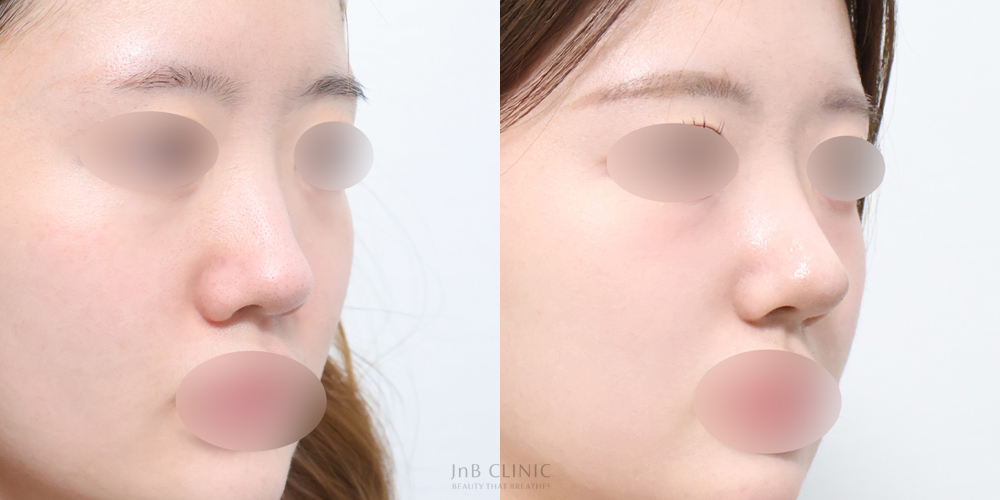
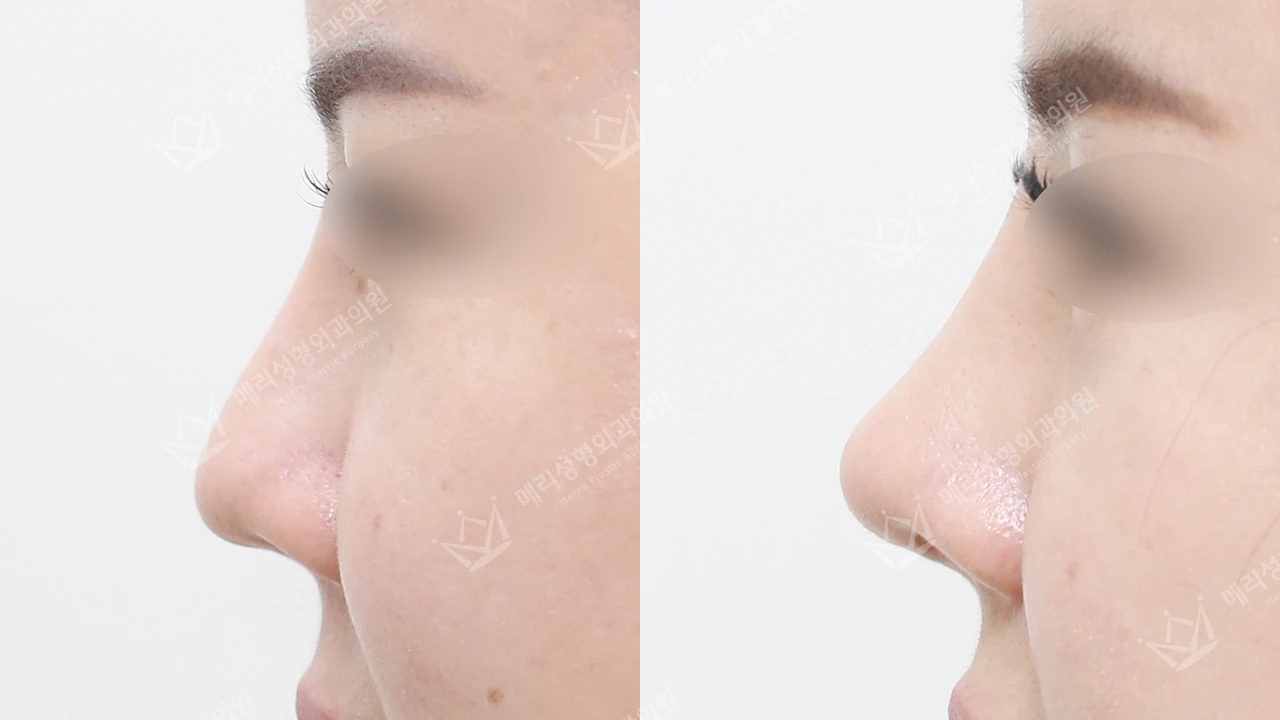
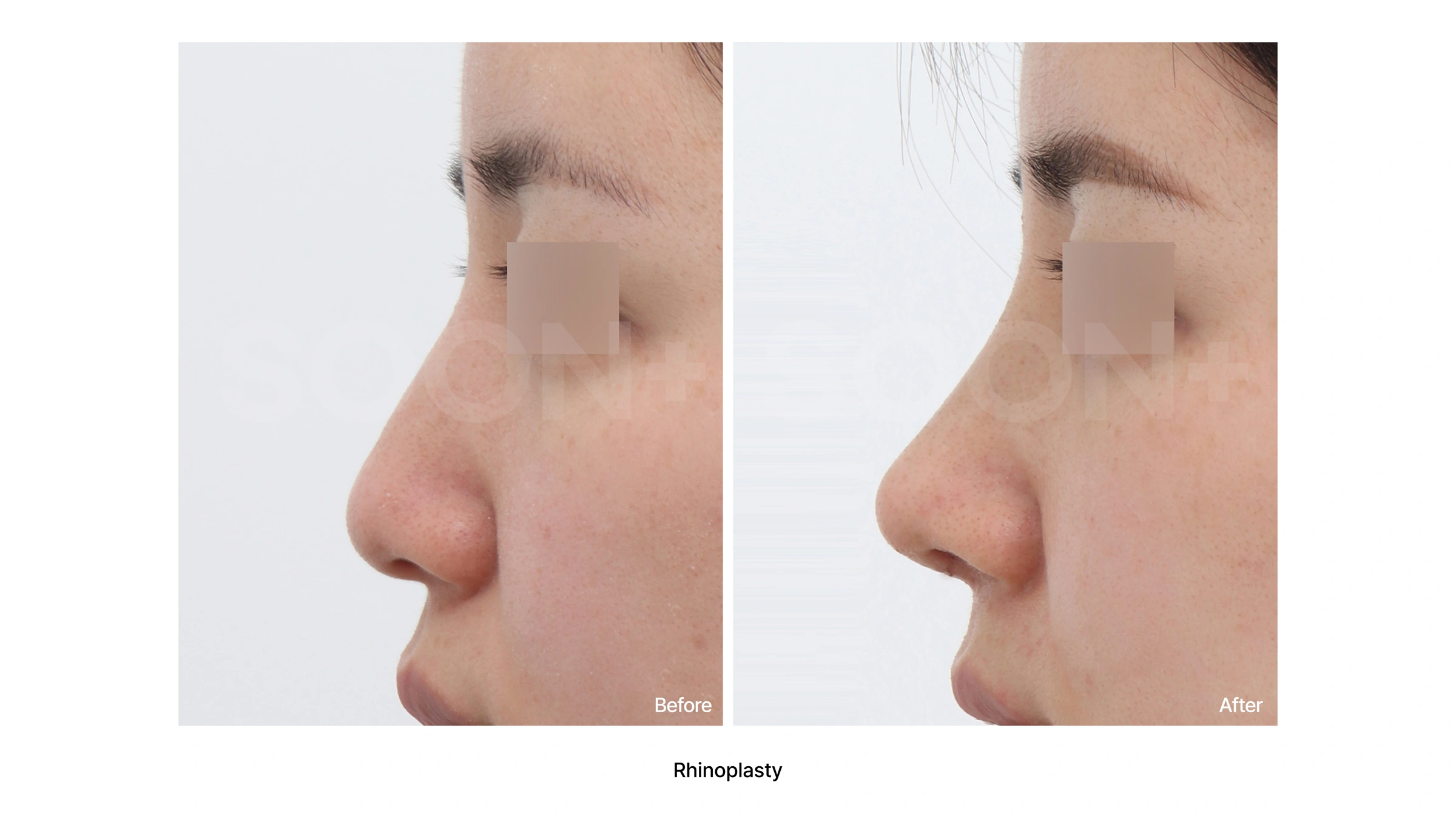
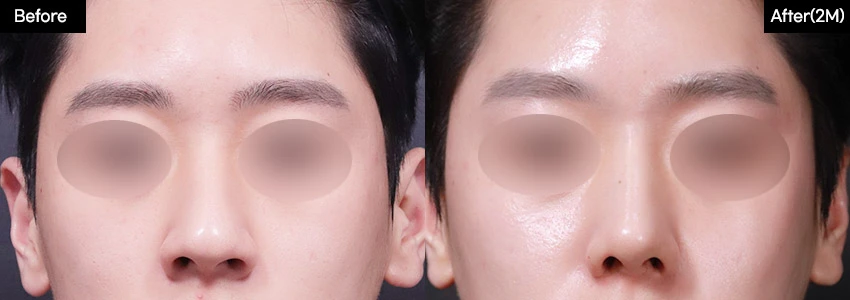
Rhinoplasty recovery has separate milestones: early wound care, removal of any supports, return to daily activities, clearance for travel and later assessment of the shape. They do not occur on one universal date. Swelling often improves over the first weeks, while finer contour changes may continue for many months. Plan your Korea stay around scheduled examinations and your surgeon’s clearance, with practical help after discharge and a clear route to care after you return home.
The end of a travel package is not the end of healing. Plan your stay in Korea around the treating surgeon’s review schedule and your clinical progress, then build a separate plan for care at home. Work, exercise, flying and final appearance are different milestones and should not share one assumed recovery date.
| Phase | Main priority | Travel or activity decision |
|---|---|---|
| Immediately after discharge | Written instructions, transport and help | Have the arranged companion and contact details ready |
| Early local reviews | Check healing and any dressings or supports | Attend the planned examinations before departure |
| Following weeks | Resume routines as individually advised | Separate work, exercise, glasses and flying decisions |
| Following months | Assess gradual contour changes and symptoms | Maintain follow-up rather than judging daily photographs |
What early recovery may involve
ASPS notes that patients may have internal or external supports after surgery and that nasal contour can continue refining for up to a year. Ask your team which dressings, splints or sutures you are likely to have and when each is checked.
Before leaving the clinic, obtain written instructions on medications, wound care, activity and contacting the team. If an interpreter is needed, confirm that postoperative instructions are included in that service. Do not rely on remembering a conversation immediately after anesthesia.
How long should I stay before flying?
Your surgeon should give individualized advice after considering the operation and your recovery. Cambridge University Hospitals advises its septorhinoplasty patients to avoid flying for two weeks. This is an example of a hospital protocol, not automatic clearance for every rhinoplasty patient on day fourteen.
Ask when you need to be examined before departure, what could delay travel and how to arrange an extension. Discuss a long-haul journey explicitly. Book with enough flexibility that a medical recommendation to stay longer does not become a rushed financial decision.
- Dates and purposes of all planned local reviews.
- Who accompanies you after discharge, if required.
- How to reach the team outside routine opening hours.
- What documentation and medications you need for the journey.
Know when to seek help
Request the clinic’s specific warning-sign instructions. Cambridge University Hospitals advises assessment for increasing blockage and soreness or green, unpleasant-smelling discharge following septorhinoplasty. Significant bleeding or difficulty breathing should prompt urgent medical help. Do not wait for a social-media reply if you feel seriously unwell.
Clarify where to go locally and what information to provide. Keep the operation details, medication list and clinic contact accessible to your companion. Photos may help the team understand a concern, but they do not replace an examination when one is needed.
Continue follow-up after returning home
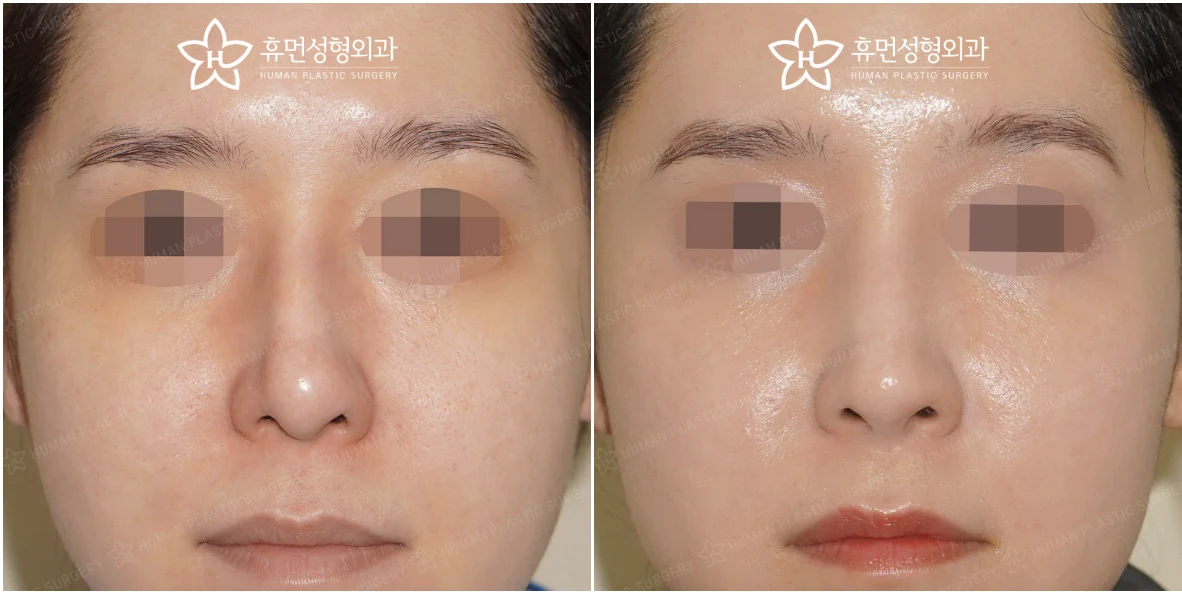
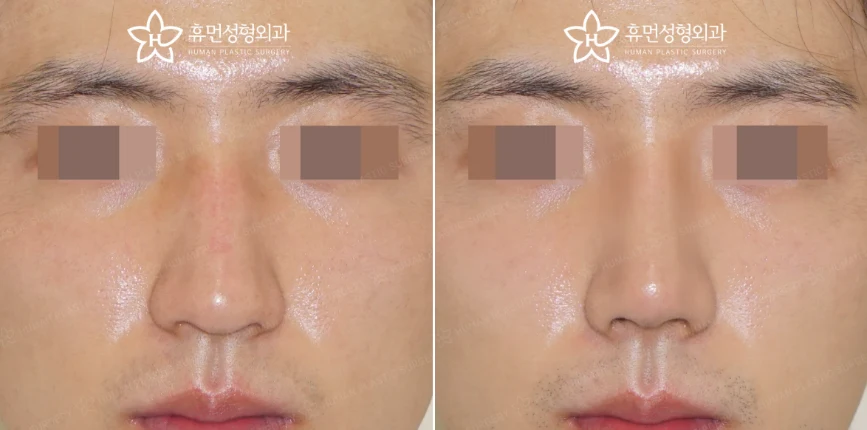
Confirm how later reviews are arranged, who evaluates persistent concerns and when the surgeon expects to discuss the settled result. Keep dated photographs if requested, following consistent instructions. Avoid comparing day-to-day changes with edited gallery images.
Ask when it is appropriate to resume glasses, gym activity, contact sports and other specific routines. These decisions depend on your procedure and progress. Follow your treating team’s instructions instead of copying another patient’s recovery calendar.
Rhinoplasty recovery timeline: time off work is not complete healing
When planning a nose job in Korea, separate three dates: when you can manage daily tasks, when your surgeon clears you to travel, and when the result can be assessed. These milestones answer different questions. NHS guidance says some patients need up to two weeks away from work; your job and operation may require a different arrangement.
ASPS describes early swelling improving over weeks while the nasal contour may continue refining for up to a year. Swelling can fluctuate, including being more noticeable in the morning. A larger-looking tip soon after surgery therefore does not establish the final shape. New symptoms still deserve assessment rather than being dismissed as normal swelling.
Can I travel alone for rhinoplasty in Korea?
Ask the clinic what supervision and transport are required after anesthesia before you book a solo trip. Confirm who will accompany you on discharge, help you obtain food and medicines, and take you to an unexpected examination. A hotel reception desk and an online coordinator are different services from personal postoperative assistance.
Make the arrangements specific: the person’s name, hours available, languages, what help is included and who takes over if your needs last longer. Choose accommodation for reliable access to the clinic and rest rather than a busy sightseeing itinerary. Get written instructions that you can understand without a companion translating them later.
Before your flight home: confirm care, records and a backup plan
Use the final planned review to confirm whether the return journey remains appropriate. Your departure date should remain adjustable if healing or additional treatment requires it. Ask who can examine you after returning home and what the Korean surgeon will send to that clinician.
- Keep your operation summary, implant or graft details and current medication list accessible.
- Save the clinic’s clinical contact, out-of-hours instructions and agreed follow-up dates.
- Clarify who pays for unplanned appointments, further surgery or a return journey.
- Tell the team your flight duration and connections; do not treat splint removal as automatic clearance to fly.
Decisions to discuss with your surgeon
Build a review-led itinerary
Place clinical appointments into your calendar before sightseeing or return flights. Choose accommodation that makes repeat visits manageable. Keep a reserve for extra nights and a flight change; the point is to make following medical advice practically possible if healing alters the plan.
Prepare a compact handover
Keep the procedure date, operation summary, material details, medications, allergies and clinic contacts together. Ask for these before departure. If care is needed at home, the next clinician should not have to reconstruct what happened from chat messages or promotional package descriptions.
Use a clear escalation plan
Ask which symptoms need a routine message, same-day examination or emergency care. Severe breathing difficulty, substantial bleeding or a new visual problem needs urgent assessment rather than waiting for an online reply. Keep the local emergency route accessible to the person helping you.
What to settle at your consultation
- Confirm who accompanies you after anesthesia and where you recover.
- Obtain written medication and wound-care instructions.
- Ask the surgeon specifically about your flight duration.
- Schedule a pre-departure review and later follow-up.
Frequently asked questions
Can I judge the result when the splint is removed?
That is an early healing stage. Ask your surgeon when the contour can be meaningfully evaluated and how swelling is expected to change.
Is a two-week trip always enough?
No. Two weeks appears in some postoperative guidance, but your required stay and clearance to fly depend on your operation, healing and planned reviews.
How long does swelling last after rhinoplasty?
Early swelling generally improves over weeks, but finer changes can continue for many months and up to a year. Your surgeon should assess progress and unexpected symptoms; a universal percentage of swelling resolved by a particular week is not a reliable personal forecast.
Can I wear glasses or exercise after a nose job?
Ask for separate instructions for glasses, gym activity and contact sports. Pressure on the bridge and impact to the nose are different concerns from ordinary daily activity. The operation performed and your progress determine when each is appropriate.
Does rhinoplasty recovery finish when I leave Korea?
No. Leaving Korea ends the local part of your follow-up, not healing. Agree on later reviews, access to an examination at home and how records will be shared before you travel.
Further reading
Updated 13 October 2026. General education; a personal surgical plan requires an examination.