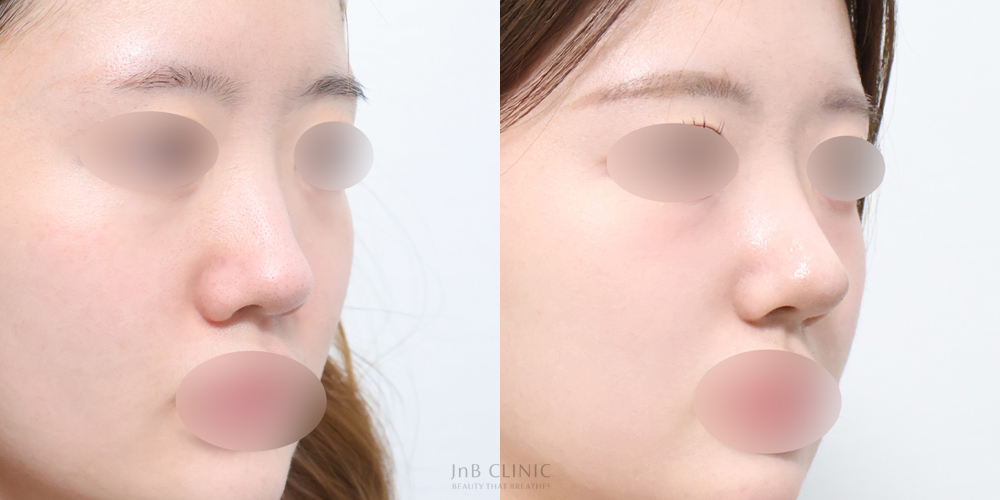
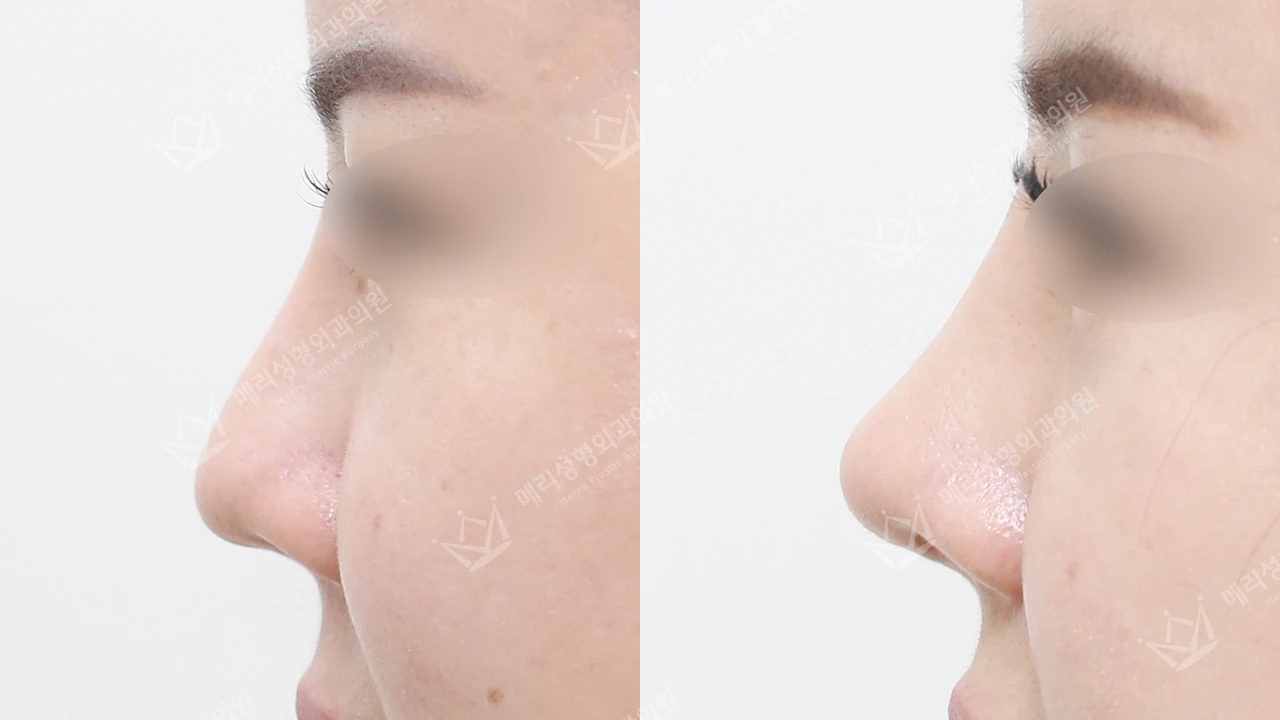
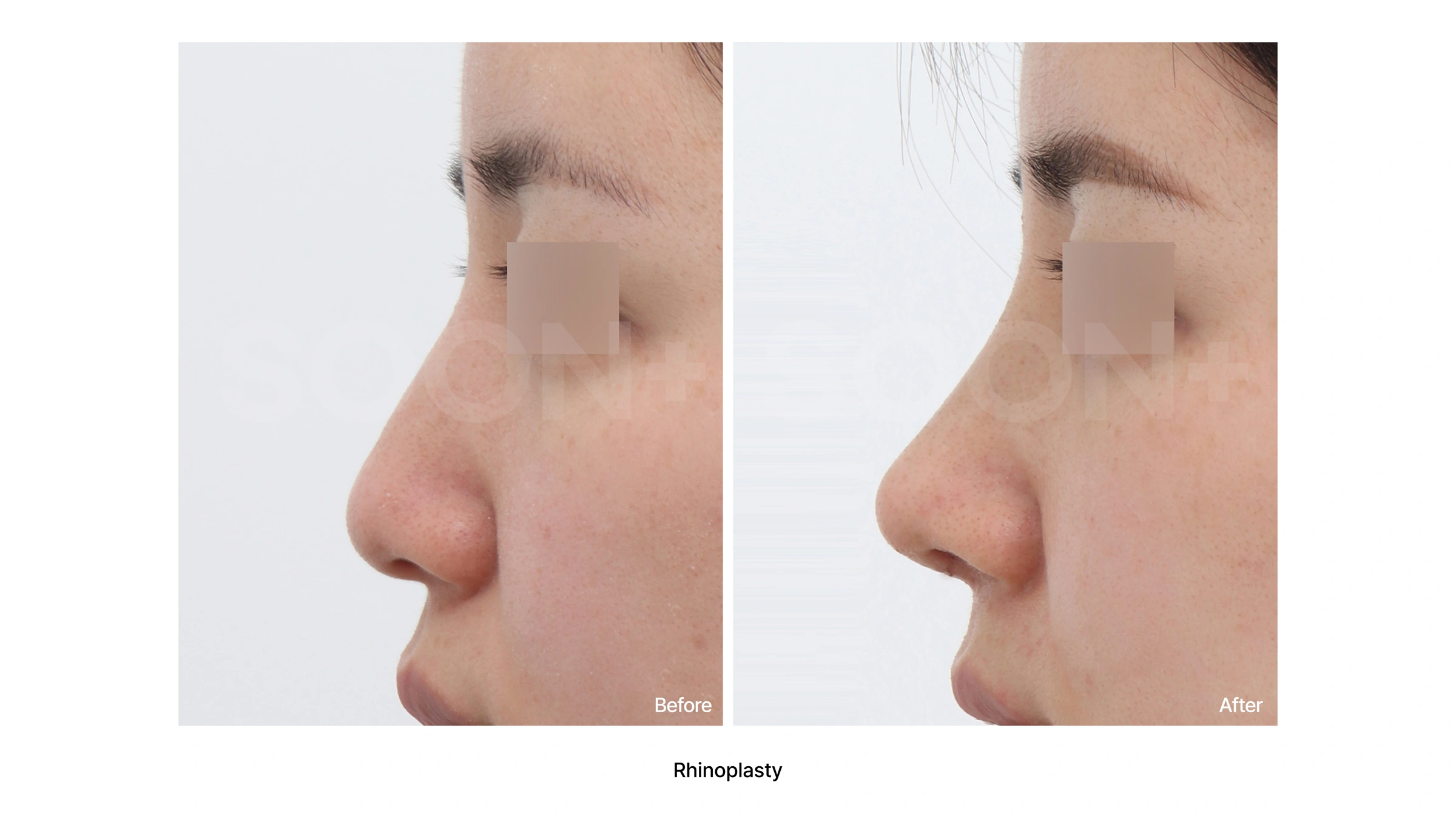
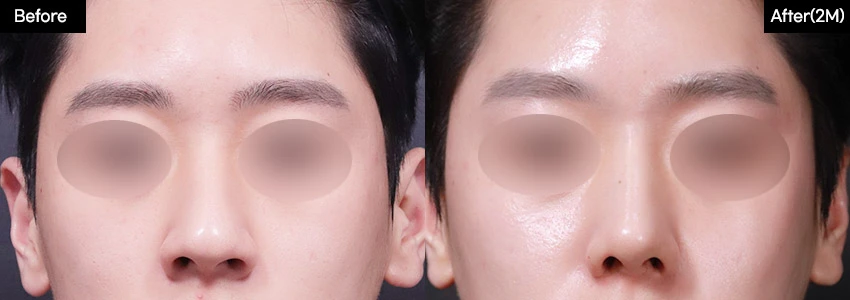
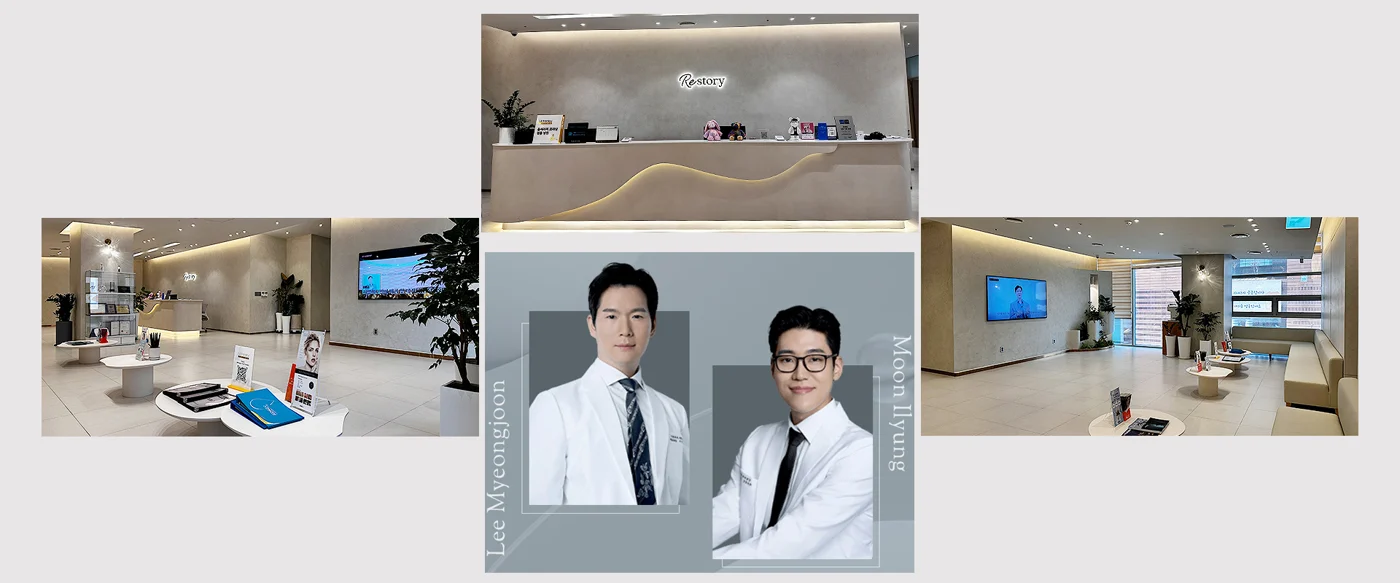
The best rhinoplasty surgeon for your decision is one whose qualifications can be checked, whose experience is relevant to your concern and whose proposed plan you understand. Compare the named surgeon rather than only the clinic brand. A strong consultation explains reasonable alternatives, likely limits, anesthesia arrangements and follow-up. Use the same questions for each surgeon you consult, then investigate differences between the recommendations. Gallery appeal, advertising prominence and review counts alone cannot determine individual suitability.
Your choice of surgeon should have a clear basis. Instead of asking which clinic is universally best, ask which named surgeon has relevant experience, understands your priorities and can clearly explain the proposed operation and follow-up. No directory position or attractive website proves that a surgeon is right for every patient.
| What to compare | A useful answer | A point to resolve |
|---|---|---|
| Operating surgeon | Full name and relevant training | Unclear identity or changing assignment |
| Treatment reasoning | Specific findings connected to proposed changes | A package without an individual explanation |
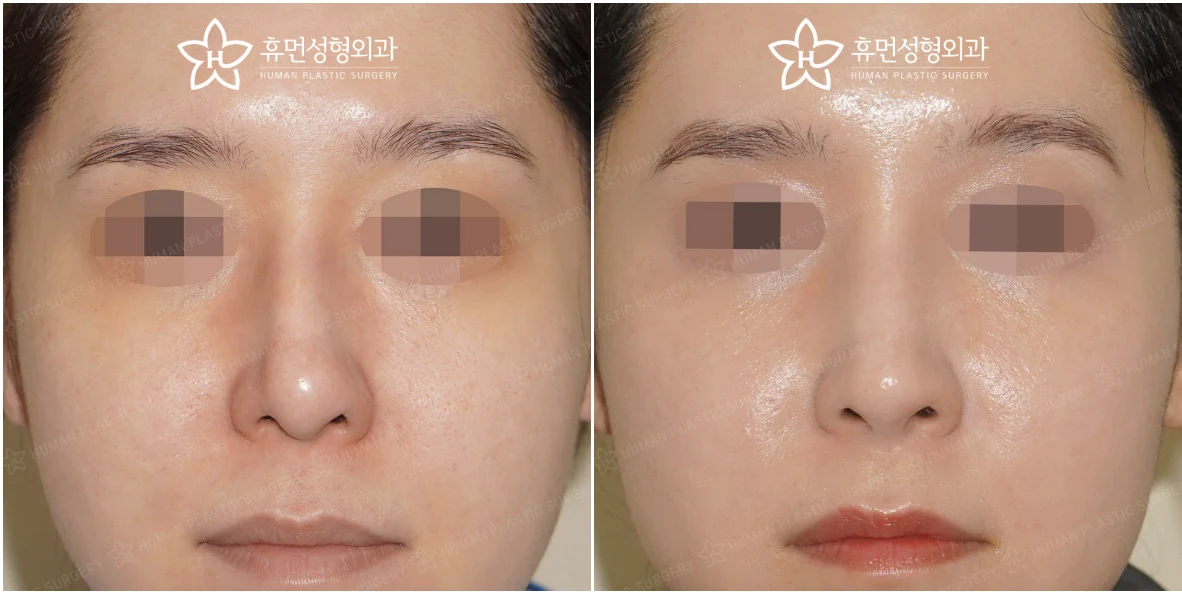
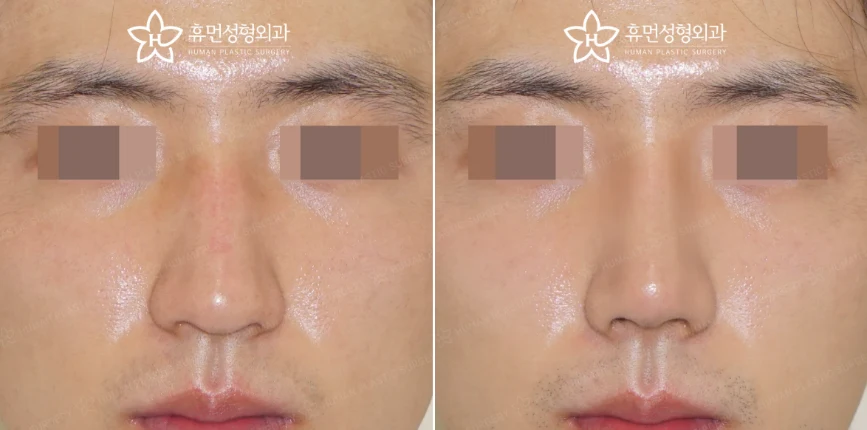
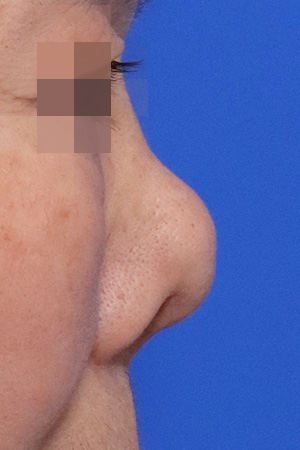
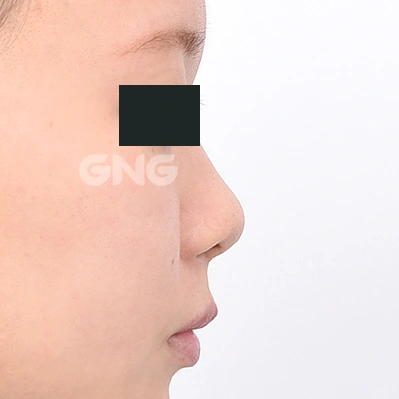
| Relevant results | Comparable concerns, multiple views and follow-up dates | Only dramatic profiles or unexplained images |
| Aftercare | Named contact, review schedule and escalation route | No clear care plan after departure |
| Agreement | Written scope, costs and consent you understand | Important promises remain only verbal |
Confirm who will treat you
Ask for the operating surgeon’s full name, professional background and relevant specialty credentials. Request a way to verify the claims through the appropriate professional or licensing source. A clinic brand, association logo or untranslated title should not be treated as a complete credential check.
ASPS encourages patients to ask about training, facilities, surgical technique, complications and realistic outcomes. Its US certification terminology is not a substitute for checking Korean credentials. Use the underlying questions, then verify the actual local qualification being claimed.
Test the quality of the consultation
A useful answer links your concern to an assessment and explains why the proposed intervention may help. Ask the surgeon to describe alternatives, limits and reasons they might advise against surgery. Notice whether you can understand the explanation without relying on a promotional phrase.
Confirm who provides interpretation and how questions reach the surgeon directly. If important points remain unclear, ask for a written explanation before making a payment. A deadline or promotional discount should not determine whether you understand the consent.
- Who performs the operation and who provides anesthesia?
- Where does surgery take place, and what emergency support is available?
- Why is this plan appropriate for my specific concern?
- What would you recommend if I choose not to proceed now?
Evaluate evidence without turning it into a ranking
Request relevant cases with dates, multiple views and procedure details. Look for a comparable starting concern rather than the most dramatic transformation. Ask whether photographs represent the named surgeon’s work and whether other treatments contributed.
Reviews can offer clues about communication and logistics, but they cannot independently establish a diagnosis, complication rate or surgical competence. Read how concerns are described and handled. Treat unverified numbers and absolute claims as questions to investigate, not facts to repeat.
Compare the complete relationship
Create a short record after each consultation: the surgeon, the plan, the reasoning, the limitations, the written total and the follow-up arrangements. If proposals differ, return with specific questions instead of choosing based on confidence alone.
Finally, ask what happens if you develop a problem in Korea or after returning home. Identify the responsible contact, access to records and policy for further assessment. You should leave with a clear understanding of both the operation and the ongoing care you are agreeing to.
Decisions to discuss with your surgeon
Compare recommendations before choosing
Make a short table after each consultation: main diagnosis or concern, proposed operation, alternative, expected limitation and total. If one surgeon recommends much more extensive work, ask why. Different recommendations deserve explanation; the more confident presentation is not automatically the better fit.
Look for useful disagreement
A surgeon may reasonably advise less change than you initially requested or explain why a preferred example does not fit your anatomy. Evaluate the reasoning. Your goal is a plan you understand and accept, including the possibility that postponing or declining surgery is the right decision.
Check the complete care arrangement
Confirm the anesthesia provider, operating location, emergency arrangements and who reviews concerns when your surgeon is unavailable. For international travel, ask how records and communication continue at home. Responsibility should remain clear after the initial consultation and payment.
What to settle at your consultation
- Verify the exact local specialty qualification being claimed.
- Ask whether example cases are the operating surgeon’s own work.
- Use an interpreter who can convey your questions directly.
- Take time to review the written plan before paying a deposit.
Frequently asked questions
Can this platform identify the best surgeon for me?
It can organize clinic information and decision questions. Suitability requires an individualized consultation; a listing is not a clinical assessment or outcome guarantee.
Does “board-certified” mean the same thing everywhere?
Certification systems and specialty titles differ. Ask which credential is being claimed, who issued it and how it can be verified in the relevant country.
Further reading
Updated 13 October 2026. General education; a personal surgical plan requires an examination.