Septoplasty treats a deviated internal partition; functional rhinoplasty addresses structural problems that affect nasal airflow, sometimes alongside external reshaping. Neither name establishes the cause of your blockage. Allergies, swollen turbinates, valve narrowing and other conditions may contribute, alone or together. An assessment should identify the relevant problem before an operation is chosen. For some inflammatory causes, medical treatment is considered first. If appearance also matters to you, request separate functional and cosmetic goals in the same written plan.
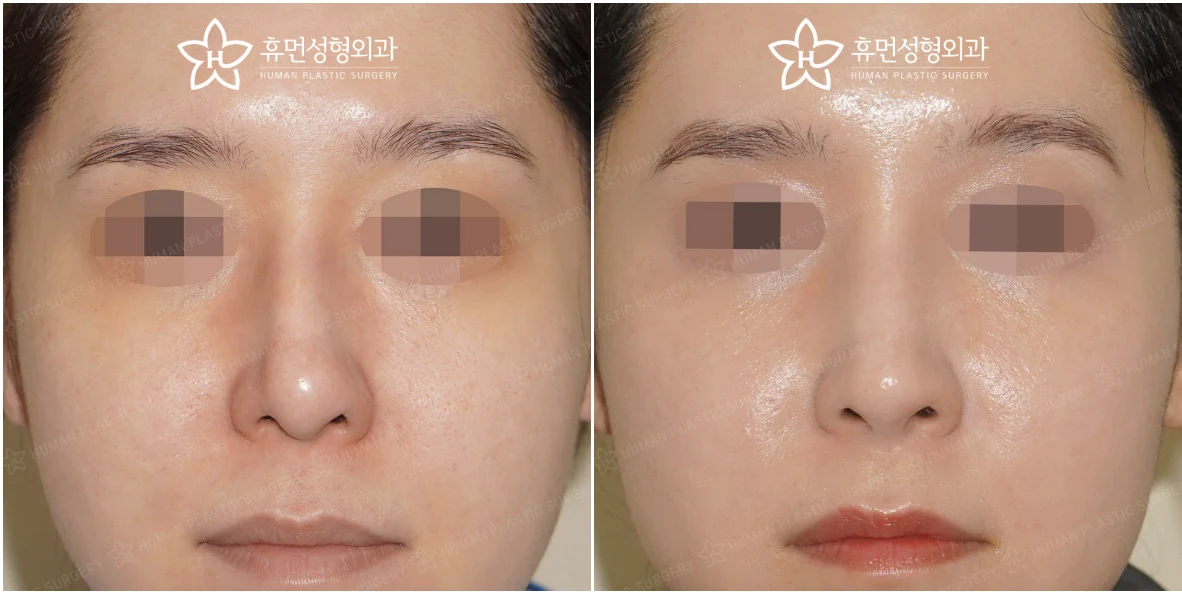
A blocked nose and a crooked-looking nose are not interchangeable diagnoses. If you are considering surgery in Korea for both appearance and breathing, ask for a specific explanation of the obstruction and a plan that addresses it. A cosmetic gallery cannot demonstrate airway assessment or establish the cause of symptoms.
| Possible contributor | What it involves | Discussion before surgery |
|---|---|---|
| Deviated septum | The internal partition may obstruct airflow | Whether septoplasty addresses the main blockage |
| Swollen turbinates or allergies | Internal tissue swelling may contribute | Whether medical treatment has been adequately tried |
| Nasal valve narrowing or collapse | A narrow or unstable airway region | Whether structural support or repair is needed |
| Several contributing problems | More than one source of obstruction | Which treatments address each finding |
What is the difference?
Septoplasty addresses the septum, the partition inside the nose. Rhinoplasty concerns reshaping the nose and can have aesthetic or functional goals. A combined proposal should explain which part addresses your breathing and which part addresses appearance.
Mayo Clinic describes septoplasty as repositioning or reshaping septal cartilage and bone. It also notes that symptoms can persist after surgery. The decision therefore needs an assessment and an explanation of both potential benefit and limitations, rather than a promise that any nose operation improves breathing.
Give the surgeon a useful symptom history
Describe whether obstruction affects one side or both, whether it fluctuates and what makes it worse. Include allergies, trauma, past surgery and previous treatments. Tell the team about sleep-related concerns rather than assuming a change in nose shape resolves them.
ENT Health identifies several possible contributors to obstruction, including septal deviation, enlarged turbinates and nasal valve problems. Ask which findings apply to you and what evidence supports the proposed diagnosis. Imaging or other tests should be explained when recommended, not treated as a sales feature.
- Which structure is causing my symptoms?
- Are there reasonable nonsurgical options to consider?
- Does the planned cosmetic change affect the airway?
- How will improvement and ongoing symptoms be evaluated?
Get a combined plan in writing
Ask the surgeon to separate the functional and cosmetic components of the operation. Record the intended changes, the expected limitations and the risks. If another specialist will be involved, confirm their role and who takes responsibility for postoperative concerns.
Discuss the possibility of continued obstruction, bleeding, infection or a need for further treatment. Ask what signs should trigger urgent assessment and how you would access that assessment after returning home. These details are part of planning, not simply an aftercare handout.
Clarify costs and records before travel
Request an itemized quote and ask your insurer about coverage directly. Do not assume that a diagnosis, a functional label or a recommendation from a clinic establishes payment eligibility in another country.
Keep a symptom baseline, the consultation summary and the eventual operative record. Arrange follow-up that considers how you breathe as well as how the nose looks. A photograph alone cannot answer every postoperative question, so clarify when a local examination would be needed.
Septoplasty vs functional rhinoplasty: why the distinction matters
Septoplasty treats the internal septum, while other structural problems may require a different approach. ENT Health describes nasal valve collapse and narrow nostrils as possible barriers to airflow, alongside problems involving the septum. A straight-looking outside does not demonstrate that the internal airway is clear.
If you are comparing treatment in Seoul, ask each clinician to name the finding they are treating rather than comparing packages labelled “functional nose surgery.” Request an explanation of why the proposed steps address your symptoms and whether additional nasal conditions need separate treatment.
Breathing worse after a previous nose operation
Give the clinician your pre-surgery breathing history as well as what changed afterward. Explain whether blockage affects one side or both, whether it is constant, and whether symptoms are getting worse. Previous operative records may help clarify which structures and materials were involved.
Arrange medical assessment for breathing problems instead of choosing revision from a cosmetic photograph. If breathing is severely difficult, seek urgent care. The eventual plan should distinguish any treatment needed for the airway from optional changes to the external shape.
Decisions to discuss with your surgeon
Record symptoms before treatment
Keep a short diary noting side, timing, exercise, sleep and any treatment tried. Record whether symptoms fluctuate or are consistently one-sided. This gives the clinician a more useful baseline than simply saying you cannot breathe well through your nose.
Define success beyond photographs
Agree how breathing will be reassessed and when. Ask which symptoms are expected to improve and which may require separate treatment. Nasal surgery alone should not be assumed to resolve sleep apnea; discuss snoring, witnessed pauses and CPAP use with the relevant clinician.
Separate the two parts of the quote
Have the functional diagnosis, functional procedure and cosmetic changes listed individually. This clarifies your consent and any insurance inquiry. If two specialists are involved, establish who reviews airway symptoms and who handles the cosmetic follow-up.
What to settle at your consultation
- Bring prior nasal treatment details and any previous operative report.
- Describe allergy patterns and sleep-related symptoms.
- Ask what reasonable nonsurgical options remain.
- Confirm who examines persistent blockage after returning home.
Frequently asked questions
Will septoplasty change my external nose shape?
Ask your surgeon specifically. Septoplasty targets the septum; if external reshaping is planned, the combined scope should be stated clearly.
Can a clinic diagnose my breathing problem from selfies?
Selfies may support an initial discussion, but they cannot replace assessment of the inside of the nose and the relevant symptom history.
Can I combine septoplasty and cosmetic rhinoplasty in Korea?
They may be performed together when appropriate. Ask for a written plan identifying the functional diagnosis, the cosmetic changes, who performs each part and how breathing will be assessed afterward. Combining them does not guarantee either outcome.
Further reading
Updated 13 October 2026. General education; a personal surgical plan requires an examination.