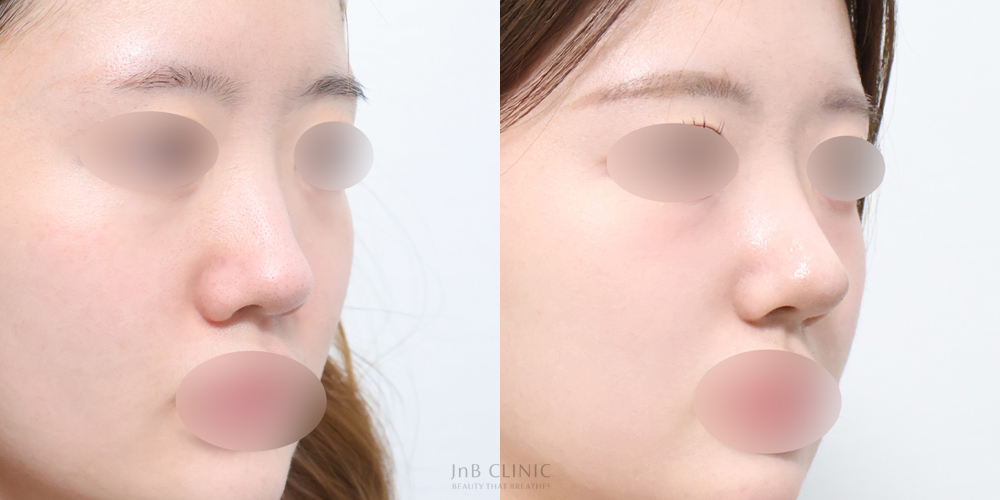
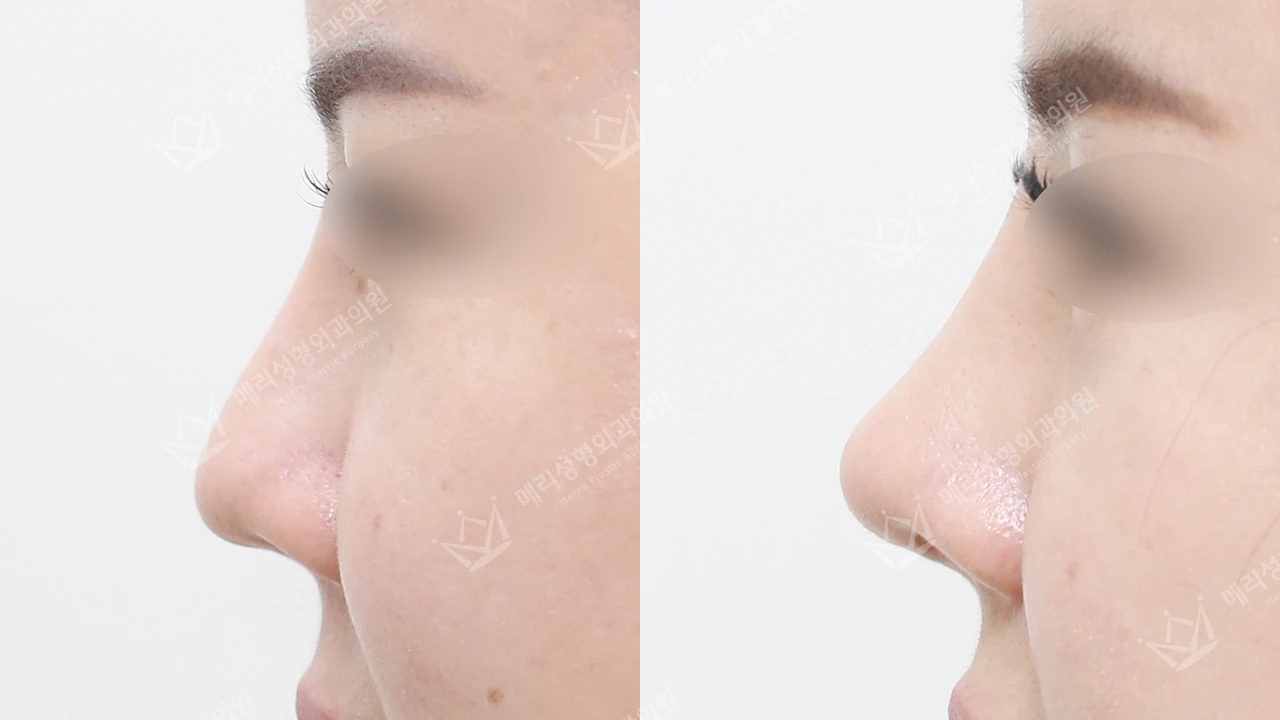
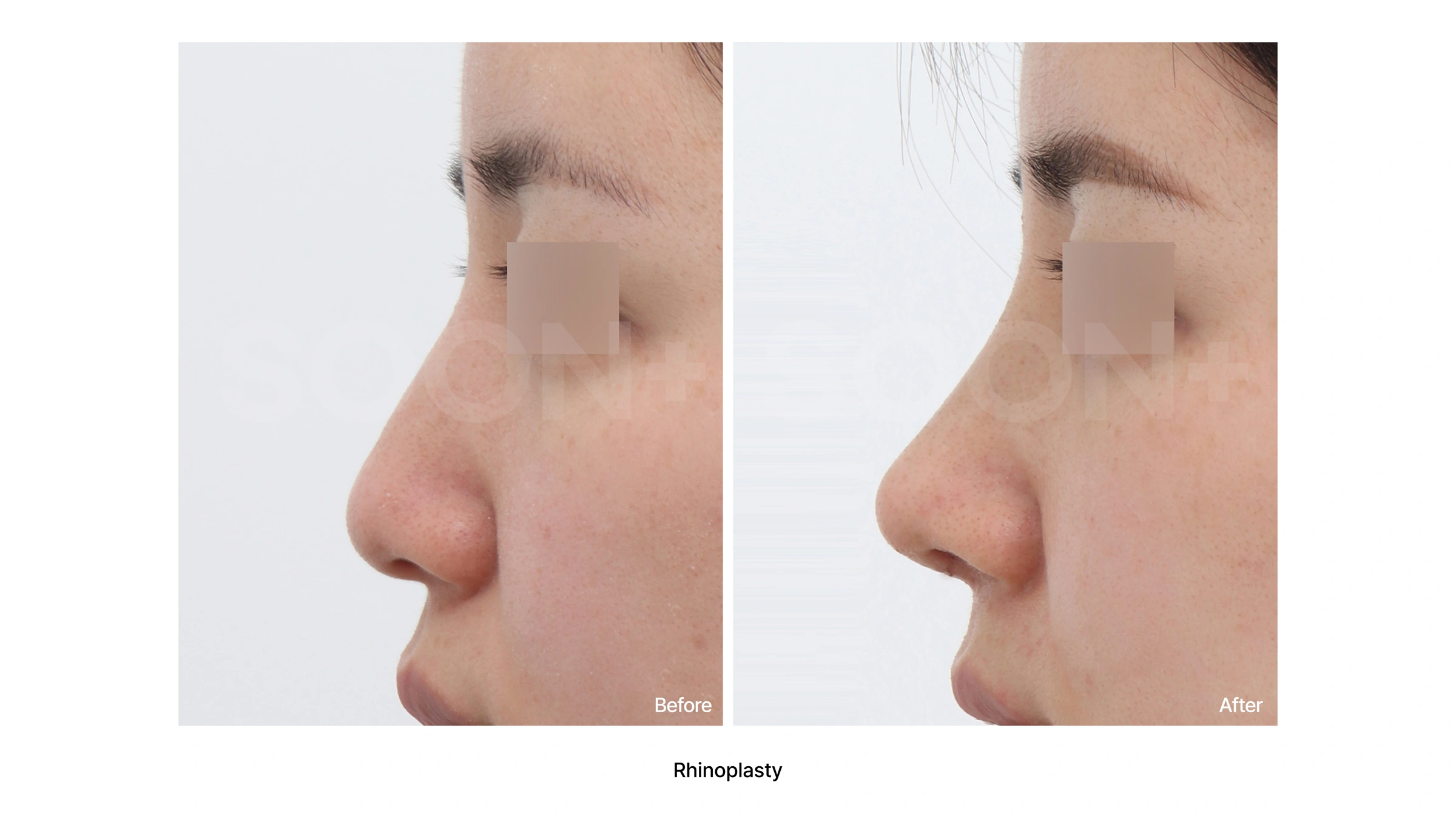
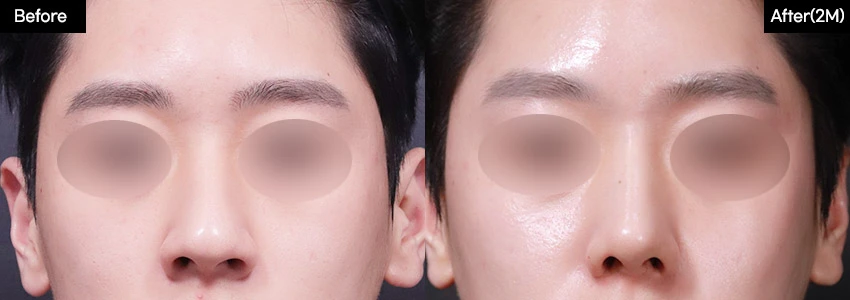
There is no single Asian rhinoplasty technique. Define your goals for the bridge, tip and nostrils individually, explain which features you want to preserve, and ask how the proposed plan fits your own anatomy and breathing.
Asian rhinoplasty is a broad description, not one operation or one ideal nose. Your consultation should establish which features you want to change and which you want to keep. A surgeon needs to assess your individual anatomy and breathing as well as your preferences. Choosing treatment in Korea does not require adopting a particular Korean beauty trend.
| Your priority | A useful consultation question |
|---|---|
| Preserve identity | Which features would you leave unchanged? |
| Bridge or tip change | What structure limits or supports the change I want? |
| Materials | What would be used, where, and why? |
| Comparable cases | Can we review similar starting anatomy from several angles? |
Translate “natural” into specific goals
Instead of asking only for a natural Asian nose job, explain what would make a result feel like you. You might want a clearer profile while keeping your front view, a change to tip shape without a very lifted tip, or less nostril flare while preserving characteristic proportions.
Describe changes you would dislike as carefully as improvements you want. A useful brief has two columns: “change” and “preserve.” Bring it to each consultation so that the discussion starts with your priorities rather than a clinic’s most popular style.
Discuss the bridge, tip and nostrils separately
Rhinoplasty planning considers the skin and supporting structures, alongside the rest of the face. A concern about bridge height is not the same as a concern about tip width or nostril shape. Ask which structure explains your particular concern and what the proposed operation can realistically change.
Avoid assuming that an ethnic label explains your anatomy. Asian patients have varied facial features, and a photograph of someone with a similar background is not enough to establish the same treatment plan. Tell the surgeon about previous fillers, threads or nasal surgery, including treatments performed elsewhere.
Ask what would be placed inside the nose
For any proposed augmentation or structural support, request the material by name. Your own cartilage, donor cartilage and synthetic implants are different categories; a phrase such as “natural rhinoplasty” does not specify which is intended.
Ask why that material is being proposed for the bridge or tip, whether there is a harvest site, what concerns might arise later and how a problem would be investigated. You should be able to explain the intended operation in your own words before deciding to proceed.
Look for cases that answer your question
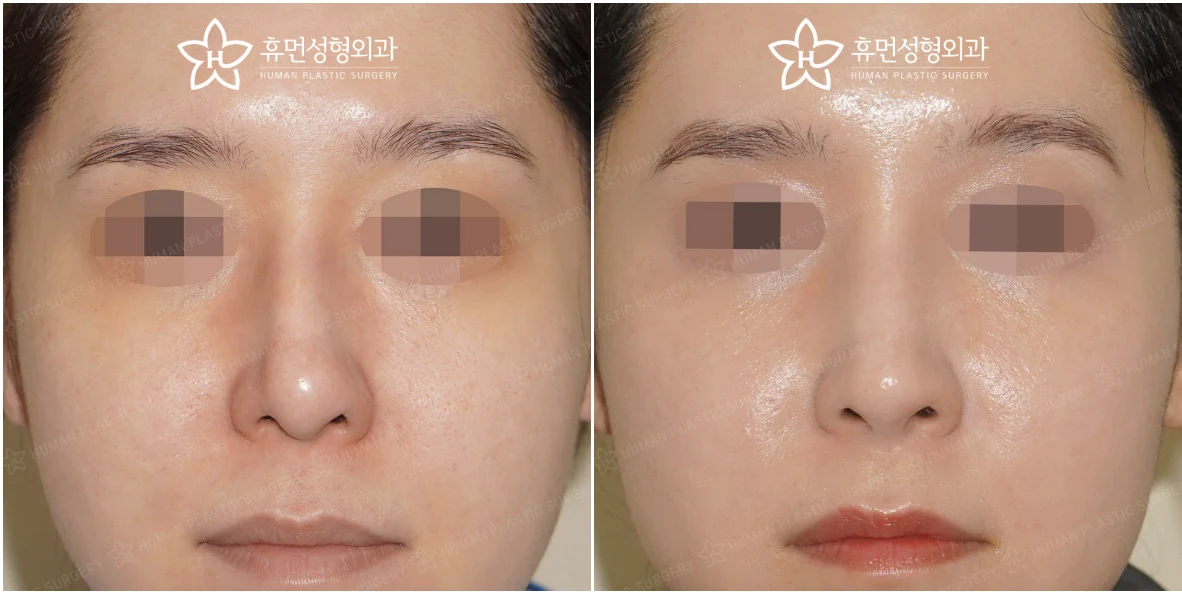
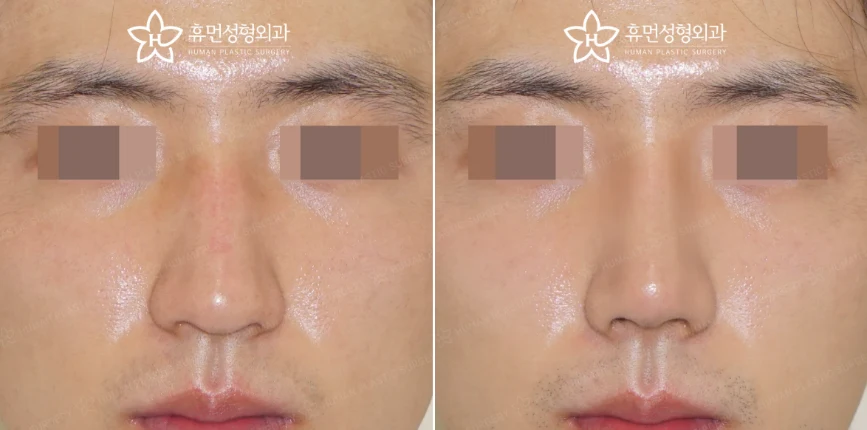
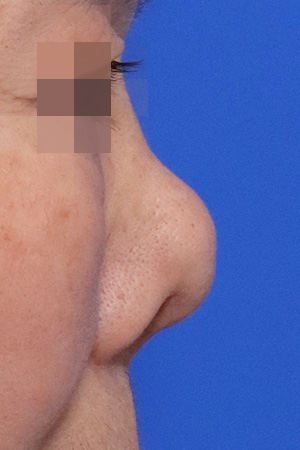
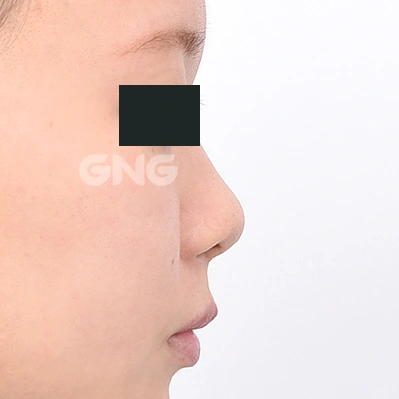
Ask to see results with similar starting bridge height, tip concern or previous-surgery history. Review front, profile and lower-angle views when available. A dramatic profile change may tell you little about the feature that matters most to you.
Check the follow-up interval and ask whether the images represent the same patient, lighting and camera position. Ask what remained imperfect in comparable cases. A helpful consultation can discuss limitations openly rather than showing only a preferred angle.
Agree on the plan before arranging travel
Rhinoplasty carries risks including bleeding, infection, breathing changes, scarring and the possibility of further surgery. Discuss those risks in relation to your own plan. A subtle-looking goal does not remove the risks of an operation.
Request an English summary of the agreed changes, the features to preserve and any choices still awaiting examination. Confirm the surgeon’s identity, follow-up appointments in Korea and who responds after you return home. If the consultation moves toward changes you do not want, take time to reconsider rather than accepting a package to keep your travel schedule.
What to settle at your consultation
- Write down the features you want to preserve.
- Discuss breathing and previous procedures alongside appearance.
- Ask for the proposed changes and materials in writing.
Frequently asked questions
Does Asian rhinoplasty always make the bridge higher?
No. The intended changes should come from your goals and an individual examination. Ask whether bridge augmentation is necessary for your concern rather than accepting it as part of a standard package.
Is ethnic rhinoplasty a different surgical technique?
The term covers a discussion about anatomy, appearance and identity; it does not describe one incision or material. Ask your surgeon to name the actual procedures proposed.
How can I explain the features I want to keep?
Use clear photographs of yourself and a written change-and-preserve brief. Point out the views and details you value, then ask the surgeon to repeat the agreed priorities in the consultation summary.
Further reading
Updated 13 October 2026. General education; a personal surgical plan requires an examination.