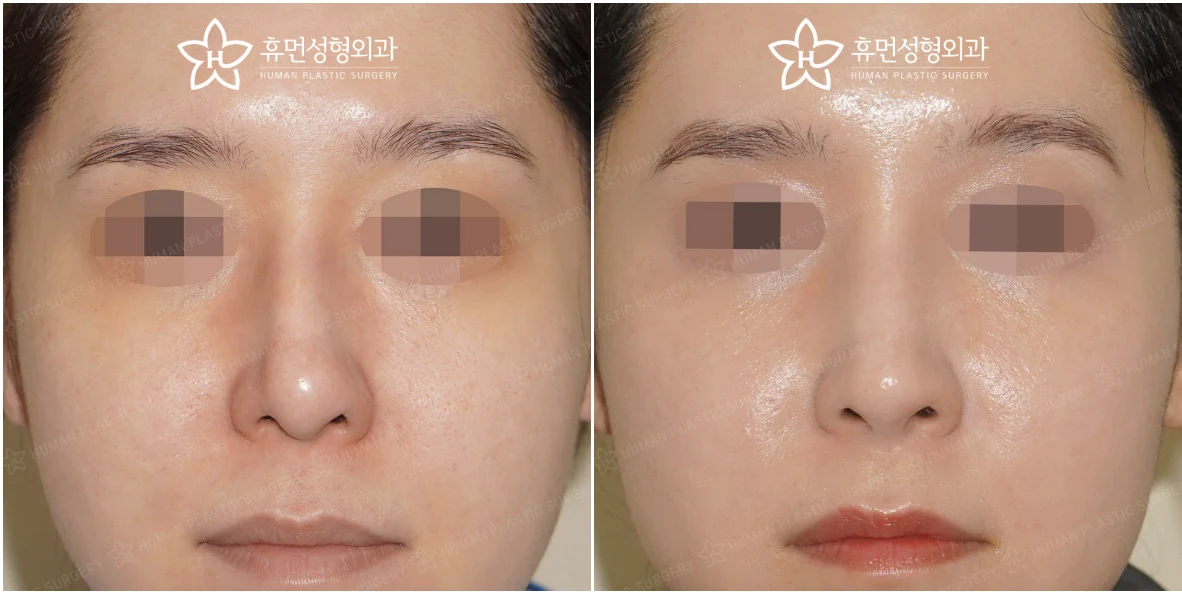
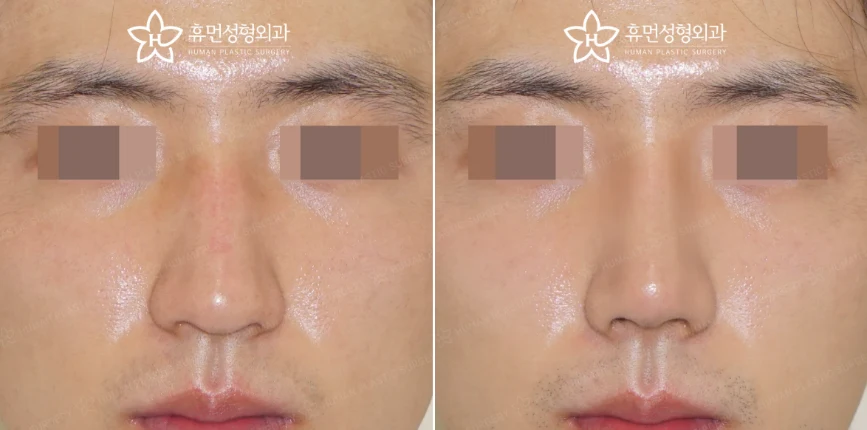
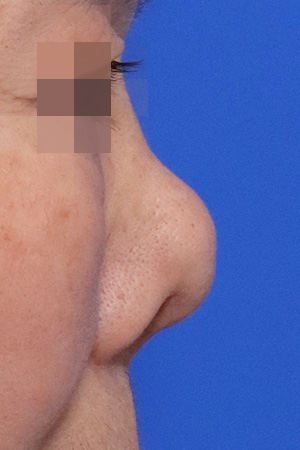
Septal, ear and rib cartilage are possible graft sources; the right choice depends on what needs to be reshaped or supported and what tissue is available. A small contour adjustment and a larger reconstruction do not necessarily need the same material. First establish the purpose and position of each graft, then compare the proposed source with reasonable alternatives. If rib is discussed, clarify whether it means your own cartilage or donor tissue, because the recovery and consent questions differ.
Cartilage is a structural material, not a quality ranking. The useful question is not which source sounds most advanced, but what the surgeon intends to build or support and why the proposed source fits that task. Ask for an explanation connected to your anatomy and previous procedures.
| Source | Where it comes from | Trade-off to discuss |
|---|---|---|
| Septal cartilage | The partition inside your nose | Available tissue and preservation of remaining support |
| Ear cartilage | Cartilage harvested from the ear | Suitability for the intended shape and ear-site care |
| Your own rib cartilage | Cartilage harvested from the chest wall | Additional incision and donor-site recovery |
| Donor cartilage | Tissue supplied for the operation | Exact material, processing and product-specific risks |
Start with the job of the graft
ASPS describes cartilage grafting as one way of reshaping the nose and identifies the septum, ear and rib as possible sources. A proposed operation may involve more than one area of the nose; ask where each graft would go.
Have the surgeon distinguish adding volume, providing support and refining a contour. These are different objectives. Request a sketch if a list of technical graft names is difficult to understand. You should be able to explain the basic purpose in your own words before giving consent.
Questions about each source
For septal cartilage, ask how much usable material is available and how the remaining septum will be protected. Prior septal or nasal surgery is relevant and should be disclosed. For ear cartilage, ask which ear is involved and what incision and follow-up are planned.
For rib cartilage, clarify whether the proposal is your own cartilage or donor cartilage. Do not assume that “rib rhinoplasty” specifies the source. If your own rib is proposed, ask about the additional incision, recovery and material-specific risks. If donor tissue is proposed, request the exact product and relevant information from the surgeon.
- Why this source for the specific change being planned?
- What alternatives would be reasonable in my case?
- What are the risks at both the nose and the donor site?
- What happens if the planned material is unsuitable during surgery?
An implant is a separate discussion
If the quote includes both an implant and cartilage, ask which part uses each material. “Cartilage rhinoplasty” should not be interpreted as a complete inventory of everything being placed. Request a written materials summary and keep the final operative record.
Ask the surgeon to explain material-specific problems and what treatment would involve if they occurred. Comparisons should address your proposed operation, rather than claiming that one material is universally safest or guarantees a lifelong result.
Make the choice understandable before payment
Use the consultation to compare reasoning. If two surgeons recommend different sources, ask each to explain the advantage, compromise and alternatives. A higher price does not prove that a more extensive graft is necessary.
Include donor-site reviews in the travel plan and quote. Confirm which symptoms require contact, what activity advice applies to the donor area and who will manage both sites after you return home. Final material decisions belong in an individualized surgical discussion.
Implant-free rhinoplasty vs silicone implants: clarify the terms
Implant-free rhinoplasty and rib-cartilage rhinoplasty are not interchangeable names. Ask whether the plan uses your own septal, ear or rib cartilage, donor material, or a combination. The phrase does not establish which tissues will be used or whether a donor site is involved.
If silicone is proposed, ask where it will be placed, what supports the tip, what concerns might arise over time and how a problem would be managed. Request the material and its purpose in writing. An existing implant, previous filler or an earlier cartilage harvest can change the discussion, especially for revision surgery.
Decisions to discuss with your surgeon
Ask for a materials map
Request a simple diagram showing where cartilage, an implant or another material would sit. Label which part adds contour and which provides support. This avoids treating a procedure name as a full explanation of everything being placed in your nose.
Compare the whole recovery
If tissue is harvested elsewhere, your aftercare plan needs to cover that area as well as the nose. Ask about dressing changes, pain management, sleeping, clothing and activity restrictions. Include any donor-site review in the appointment schedule before booking departure.
Agree on alternatives before surgery
Record the planned source and acceptable alternatives if the surgeon finds it unsuitable. Ask whether a different source would change the incision, price or recovery instructions. A material decision should be understandable without requiring you to choose a technical graft design yourself.
What to settle at your consultation
- State whether you have had septal, ear or chest surgery before.
- Ask which concern requires a graft rather than reshaping alone.
- Discuss risks and later treatment for each proposed material.
- Keep the final material details with your operation record.
Frequently asked questions
Is rib cartilage automatically better than ear cartilage?
No. Ask which structural task is intended and why the recommended source is suitable. A material name by itself does not establish a better operation.
Can I know the exact graft plan from an online photo?
A photo can support an initial discussion. Tissue availability, prior surgery and an examination may change the final recommendation.
Further reading
Updated 13 October 2026. General education; a personal surgical plan requires an examination.