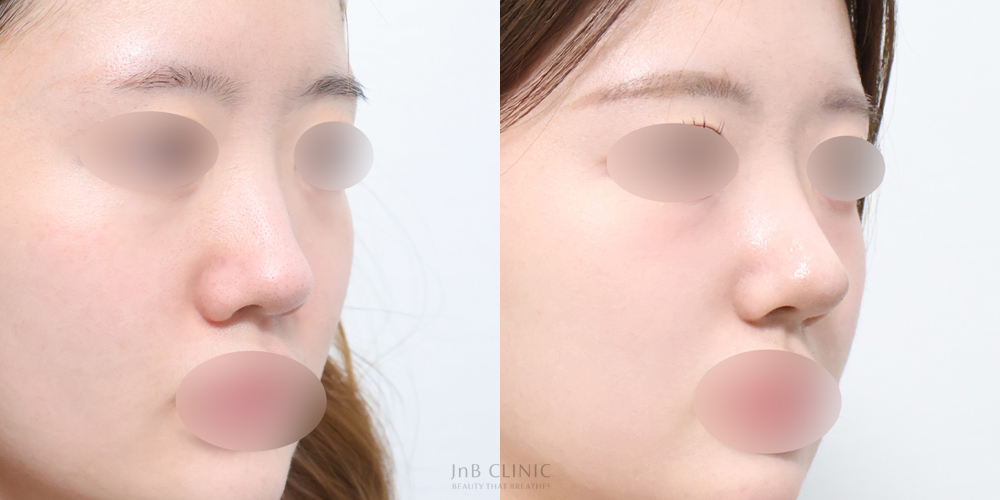
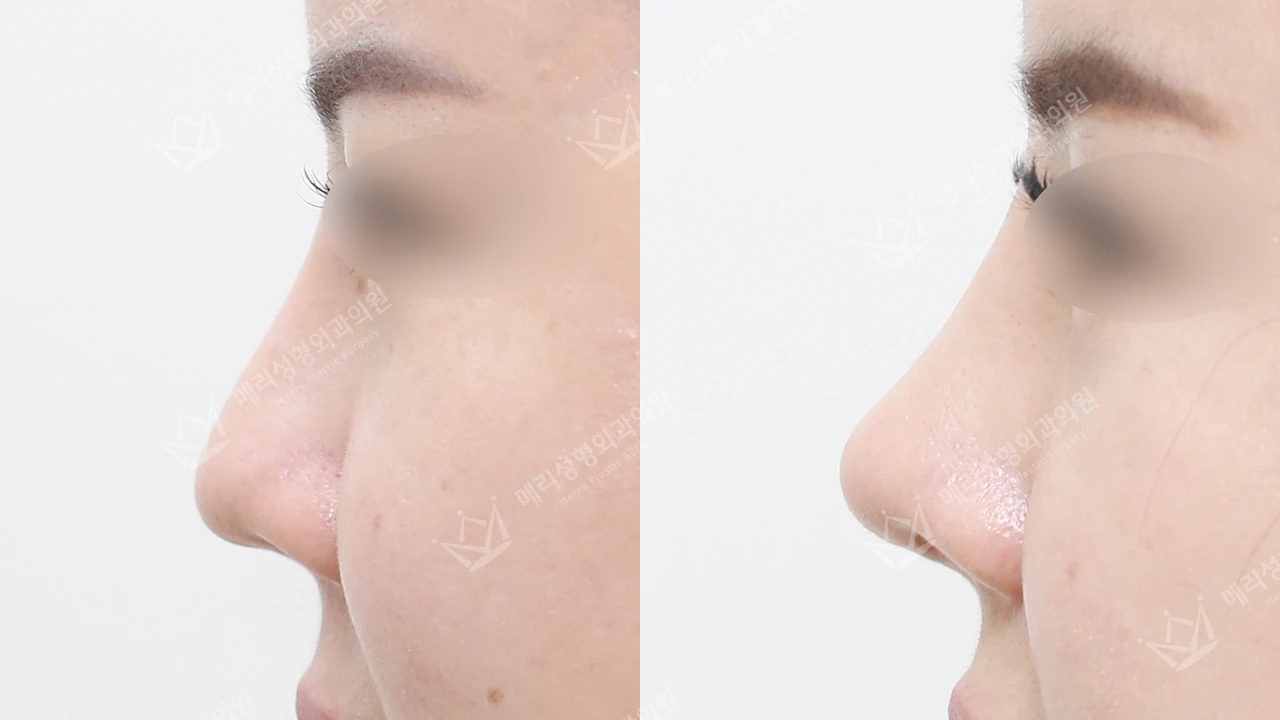
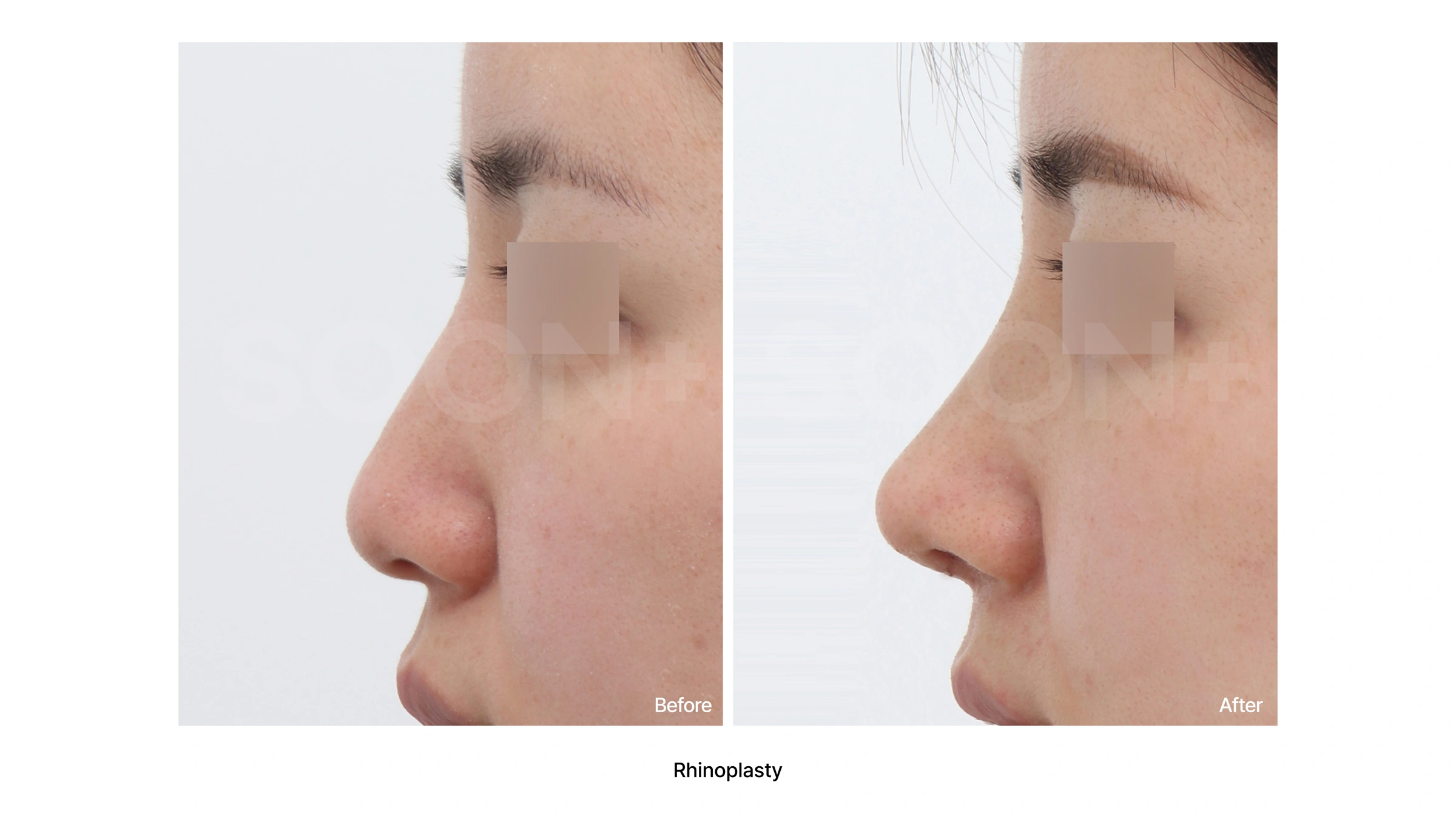
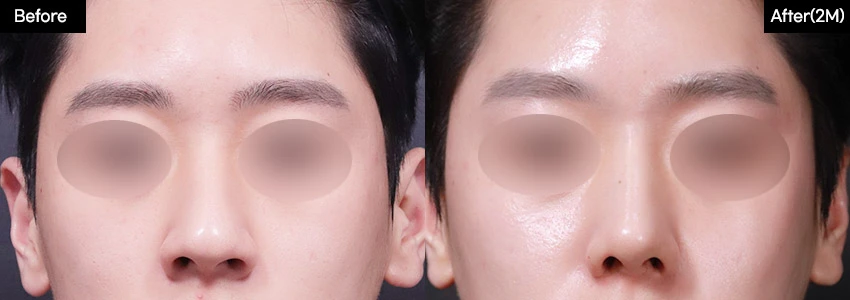
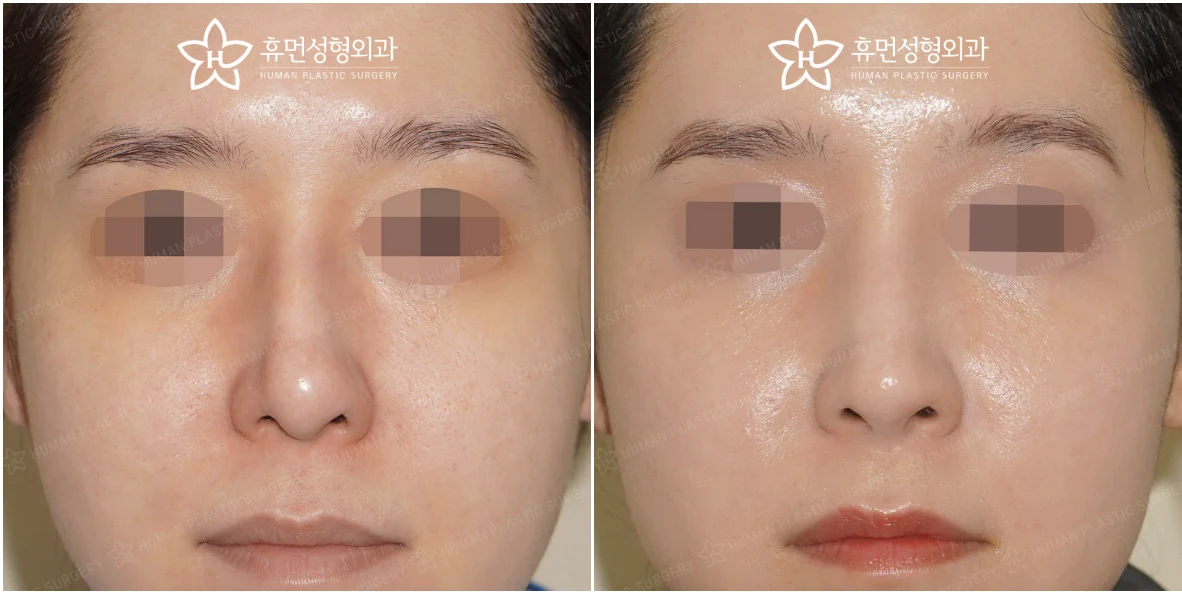
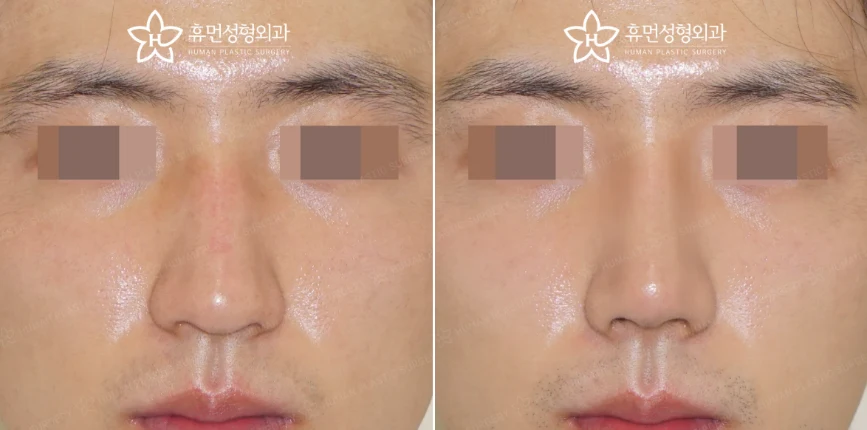
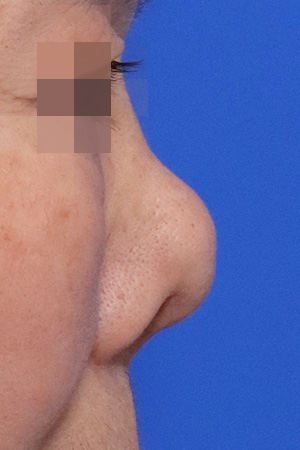
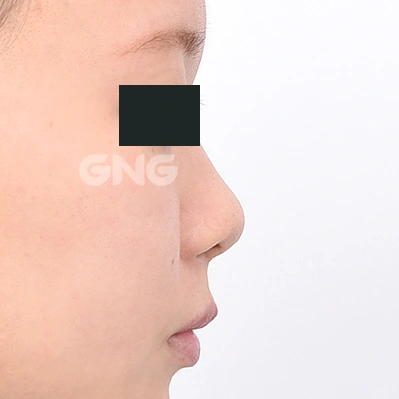
Start with the features you want to keep as well as those you want to change. A useful consultation connects your goals to your own skin, nasal structure and facial proportions. “Natural” means different things to different people; ask the surgeon to describe the intended changes from the front, side and base.
Turn “natural” into a clear conversation
Describe the specific detail that bothers you: a bridge hump, a wide tip, nostril shape, asymmetry or the angle of your profile. Then name the features you value. You may want a change in one view without a large change in another. Bring a small number of reference images to explain preferences, and ask which features are realistic for your anatomy. A reference is a conversation aid, not an agreed surgical outcome.
Ask what the plan would preserve
Before discussing an implant or a cartilage source, ask what the surgeon proposes to change and why. Have them explain the effect on the bridge, tip, nostrils and breathing. Ask what they would leave alone. If you are worried about an overly narrow nose, a raised bridge or an upturned tip, say so directly and request that these limits appear in the consultation notes.
Read results beyond the best profile
Use front, angled, profile and base views where available. Look for comparable starting anatomy rather than simply a result you like. Ask about the procedure, surgeon and photograph timing. Images and simulations can support a discussion, but they cannot promise your own result. A useful explanation includes what remains uncertain and which changes may be limited by your anatomy.
Bring these questions to the surgeon.
- Which features of my nose would you preserve?
- How would the proposed change look from the front as well as the side?
- Can you show cases with a similar starting nose and explain the differences?
- Which of my goals are unlikely to be achievable, and why?
Leave with a shared description of the intended result—not just a procedure name.
Further reading
Updated 13 October 2026. General education; a personal surgical plan requires an examination.